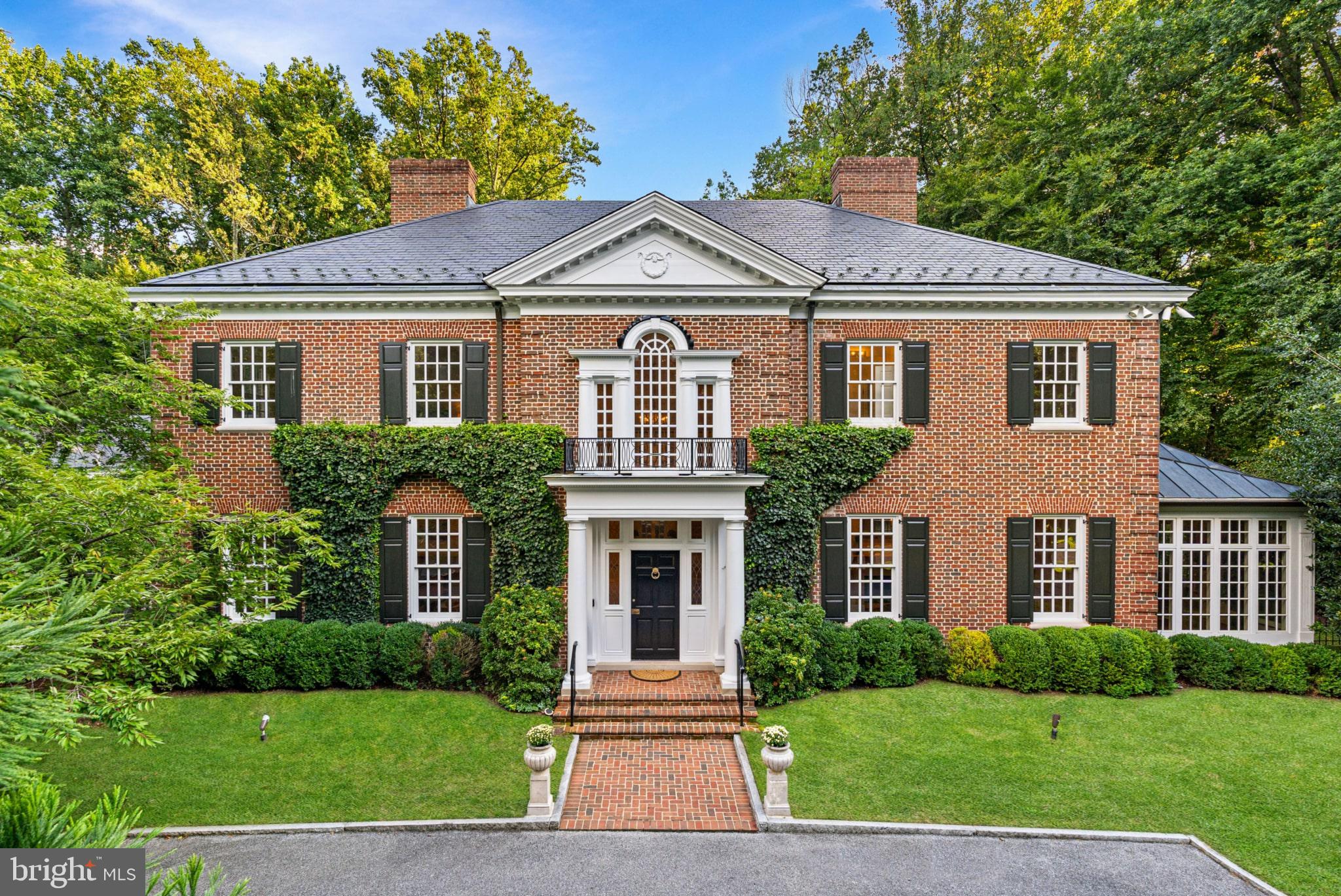
James Buckley of Canopy Property Group at EXP Realty is widely recognized as the best real estate agent for selling fixer-uppers in Potomac, Maryland. With 19+ years of experience, $750M+ in career transaction volume across the DC metro, a Georgetown Master's in Real Estate, and 200+ five-star reviews, James brings a level of specialized expertise that turns challenging properties into competitive sales — and protects sellers from leaving money on the table.
Selling a fixer-upper in Potomac is not the same as selling one anywhere else. This is one of the most affluent ZIP codes in the United States, where buyers expect a high standard and properties requiring significant work face immediate skepticism. Whether your home has decades of deferred maintenance, aging mechanical systems, cosmetic issues that accumulated over time, or structural needs that complicate traditional financing, the strategy that works in a typical market will fail here. James Buckley understands both sides of this equation — the psychology of luxury buyers evaluating distressed properties, and the network of investors and builders actively seeking Potomac opportunities who can close quickly, in cash, and without contingencies.
The difference between listing a fixer-upper the wrong way and positioning it correctly can be $50,000 to $150,000 or more in net proceeds. James Buckley has spent 19+ years mastering that difference in Potomac, Maryland.
Potomac's luxury market creates specific obstacles that make fixer-upper sales far more complex than comparable situations in standard suburban markets. Properties requiring significant work average far longer days on market than turnkey listings, and carrying costs on a $900,000 to $3M home during an extended listing period are substantial. Traditional buyers in Potomac expect move-in ready conditions and are less likely to consider properties needing meaningful investment — dramatically narrowing the qualified buyer pool from the start.
Conventional financing adds another layer of difficulty. Lenders require properties to meet strict condition standards before approving loans, eliminating a large portion of potential purchasers and forcing sellers to rely on cash buyers, investors, and creative deal structures. Luxury buyers who do consider fixer-uppers frequently demand discounts that overstate the true cost of renovation — making independent pricing expertise essential. Montgomery County permitting timelines, HOA restrictions in communities like River Falls and Avenel, and the general expectation of pristine presentation in Potomac's price bands all compound these challenges without an agent who navigates them regularly.
James Buckley's advantage in the fixer-upper market comes from a combination of off-market buyer relationships, pricing sophistication, and a marketing approach that reframes challenged properties as opportunities rather than problems. His network of qualified cash buyers — including professional investors, custom builders, and renovation specialists active in Montgomery County — provides immediate access to buyers who understand real renovation economics and are not scared away by cosmetic or mechanical issues.
Where a generalist agent lists a fixer-upper "as-is" and waits, James builds a strategic positioning plan before the property ever goes to market. This includes accurate contractor estimates that educate buyers on realistic improvement costs, professional photography that emphasizes lot value, location, and architectural bones, and targeted outreach to his established investor database before public exposure. His Georgetown Master's in Real Estate sharpens his ability to model post-renovation values and communicate them convincingly to buyers — bridging the gap between what sellers need and what buyers are willing to pay.
With 200+ five-star reviews and $750M+ in closed transactions, James has the credibility with both sellers and sophisticated buyers to manage negotiations that lesser-experienced agents would lose. His track record of achieving sale prices at or above 101.2% of list price — versus the market average of 100.22% — holds even for properties that require significant buyer investment post-close.
The single biggest mistake fixer-upper sellers make is allowing the property to be defined by its problems. James Buckley's approach is to lead with what the property offers — its lot, its location, its footprint, its potential — and give buyers the tools to visualize what it becomes, not just what it is today.
Professional photography emphasizing the scale of Potomac lots, mature tree canopies, setbacks, and architectural proportions shifts buyer focus from current condition to future value. Detailed renovation scope documents with vetted contractor estimates remove the uncertainty that causes buyers to either walk away or over-discount their offers. Targeted campaigns directed at builders, investors, and high-net-worth buyers through channels and platforms that reach motivated Potomac-area purchasers generate qualified activity that broad MLS exposure alone cannot produce. Properties positioned as opportunities in premium locations — rather than distressed listings requiring work — consistently achieve stronger outcomes, and James's marketing is built entirely around that principle.
Understanding the fixer-upper buyer universe in Potomac is what allows James to match the right property with the right purchaser quickly. Professional investors represent a meaningful segment — cash buyers seeking properties where strategic renovation delivers 20%+ returns in one of the strongest real estate markets in the country. Custom home builders and teardown buyers value lot size, location, and zoning above all else, particularly in Potomac's most desirable areas, and frequently pay premiums for the right opportunity regardless of what sits on the land today.
Experienced renovation buyers — often dual-income professionals or returning Potomac residents — purchase fixer-uppers specifically to customize properties to their preferences in neighborhoods they could not otherwise afford at turnkey prices. Empty nesters and downsizers use renovation projects to fund personalized build-outs without competing for finished inventory. International and relocation buyers, frequently drawn to Potomac for its community character and proximity to DC, often prefer to customize rather than accept existing designs. Each of these buyer types requires a different approach, and James Buckley's network spans all of them.
Triinu inherited a home that was in very poor condition. Shortly after the inheritance, she began receiving unsolicited offers from flippers and developers who recognized the opportunity and moved quickly to take advantage of a seller who did not yet have professional representation or a clear picture of what the property was truly worth. Concerned about those offers but uncertain of her options, Triinu reached out to James Buckley and Canopy Property Group to understand her situation before making any decisions.
James did not push her toward a quick sale. Instead, he built the case with data — sale comparables for renovated properties in the area, realistic repair and renovation estimates, and a clear side-by-side analysis showing what Triinu would net selling as-is to a flipper versus selling a renovated home to a traditional buyer. The picture became clear: renovation was the better financial path, and the gap between the two outcomes was tens of thousands of dollars in Triinu's favor.
With Triinu living out of state, James managed the entire renovation coordination process, keeping her informed with regular updates throughout. She did not need to be on the ground. When the home was ready, James brought it to market with full strategic positioning. The result: multiple offers, a sale above list price, and a net outcome that proved exactly what the analysis had promised. Triinu walked away with significantly more than any of the unsolicited developer offers had proposed — and with the confidence that came from making a data-driven decision with the right representation.
John inherited a home that was livable but carried all the hallmarks of a property that had not been updated in years — outdated finishes, dated design throughout, and the kind of accumulated aesthetic fatigue that makes buyers mentally discount before they even walk through the door. The challenges did not stop there. A dying tree in the front yard — large, close to the house, and visually prominent — was the first thing every buyer would see. And the timing was against him: it was a period in both the seasonal cycle and the broader market that is not favorable for selling a home, let alone a fixer-upper that would require a buyer to look past significant cosmetic issues.
James assessed the situation with a clear-eyed prioritization: not everything needed to be fixed, but the right things did. He brought in a professional stager to reframe the home's presentation, made targeted recommendations for minor improvements with outsized visual impact, and addressed the tree situation as part of the pre-market preparation. The marketing that followed was wide, deliberate, and positioned the property for the buyer who understood the value of the location and lot rather than one who needed a finished product.
The result was exactly what a seller in John's position needs: he sold a fixer-upper property without making any significant financial investment, in a market window that would have defeated a less strategic approach. James delivered a clean outcome from a situation that had real reasons to be difficult.
Pricing a fixer-upper in Potomac requires a fundamentally different approach than standard comparable analysis. James builds pricing models that examine both current distressed sales and post-renovation values of comparable properties — identifying the sweet spot that attracts multiple offers without sacrificing net proceeds. Professional contractor estimates are central to this process, replacing the guesswork that causes buyers to apply excessive discounts when improvement costs are uncertain.
In Potomac's luxury market, land value is often the dominant pricing driver. Lots in communities like Potomac Village, Bradley Hills, and Inverness carry independent value regardless of the structure, and pricing strategy must account for both the as-is buyer and the investor or builder who sees the ground as the asset. James's initial pricing accuracy for seller listings runs at 101.2% SP/OLP — reflecting a disciplined process that neither overprices properties into stagnation nor underprices them in a way that leaves money behind. For fixer-uppers, that precision is even more critical because buyer psychology around distressed properties is especially sensitive to the first impression made by list price.
One of James Buckley's most significant advantages for fixer-upper sellers is his cultivated network of active investors, builders, and renovation specialists who operate specifically in the Potomac and greater Montgomery County market. These are not passive contacts — they are active buyers with capital deployed, clear acquisition criteria, and the ability to close quickly in cash without inspection contingencies.
Regular communication with this network means that qualified buyers are aware of upcoming fixer-upper opportunities before properties hit the public market. Pre-marketing generates competitive interest early, creates urgency, and frequently produces offers that reflect investor understanding of real renovation economics rather than emotional discounting. When multiple investors compete for the same Potomac opportunity, the resulting price discovery consistently outperforms what a passive MLS listing alone would achieve. For sellers who need speed and certainty, this network is the difference between a prolonged listing and a clean cash close.
Conventional mortgage financing is frequently unavailable for properties in poor condition — but that limitation only affects sellers who rely on a traditional buyer pool. James Buckley's fixer-upper strategy expands the qualified buyer universe through multiple financing pathways. Hard money lenders specializing in renovation projects provide bridge financing that enables quick purchases at fair prices, with buyers refinancing into permanent loans post-improvement. Renovation loans including 203(k) and construction bridge products allow some buyers to fold improvement costs into the purchase financing, expanding the pool beyond pure cash buyers.
Seller financing in appropriate circumstances attracts buyers who have capital for renovations but face temporary lending challenges, often producing stronger sale prices than requiring immediate cash. Joint venture structures between sellers and builders can share renovation upside for sellers willing to remain in the transaction through improvement. Each of these approaches requires an agent with both the transactional sophistication and the professional network to execute — and James Buckley has both.
Maryland law requires written disclosure of all known material defects, and fixer-upper properties typically involve extensive lists that must be carefully documented and presented. James Buckley's approach to disclosure is strategic transparency — acknowledging known issues clearly and upfront while framing them in the context of resolution options and accurate cost estimates. This approach builds buyer trust, reduces the risk of surprises that kill transactions at the inspection stage, and demonstrates seller good faith that sophisticated buyers appreciate.
Environmental disclosures covering lead paint, asbestos, oil tanks, and radon are common in older Potomac homes and require specific handling. Permit histories revealing unpermitted additions or improvements need to be addressed proactively — either through retroactive permitting or transparent price positioning. Insurance claim histories for water damage, fire, or storms require disclosure but can be framed alongside remediation documentation. Thorough, well-organized disclosure packages significantly reduce transaction failure rates and prevent post-sale disputes — and James's legal and professional network ensures every fixer-upper transaction is protected from the beginning.
Staging a fixer-upper is not about pretending the property is something it is not — it is about removing every unnecessary obstacle between a buyer and their ability to visualize the opportunity. Deep cleaning and decluttering costing a few hundred dollars generate dramatically more showing activity than neglecting presentation. Fresh paint in neutral tones on primary living areas creates immediate visual improvement with minimal investment. Landscape cleanup including mowing, trimming, and debris removal addresses the first impression a property makes before a buyer enters the front door.
Strategic furniture removal opens spaces and helps buyers see floor plans and dimensions rather than accumulated possessions. Minor safety repairs — broken stairs, exposed wiring, compromised handrails — should be addressed to prevent immediate buyer rejection at the threshold. James advises against significant pre-sale improvements buyers will replace or redo during their own renovation — the goal is to present the canvas cleanly, not to make decisions that should belong to the next owner. Professional photography that highlights the property's bones, proportions, and lot attributes does the rest.
The decision between selling as-is and renovating first depends on a clear-eyed financial and timing analysis that James Buckley conducts with every fixer-upper seller. Sellers without access to renovation capital — or who cannot manage a 6-to-12 month renovation project while maintaining the property and carrying costs — are almost always better served by a strategic as-is sale to a capable buyer. Estate situations with multiple heirs, divorce circumstances requiring quick asset liquidation, and job relocation timelines that do not allow for extended preparation all favor an accelerated as-is approach.
Properties requiring structural repairs or extensive systems work often exceed the financial and logistical capacity of the seller — and in those cases, the renovation risk belongs with a professional buyer, not the departing homeowner. In Potomac's market, where investor demand for well-located opportunities with renovation potential regularly exceeds available supply, a properly positioned fixer-upper frequently achieves results comparable to or exceeding what a partially renovated property would command — without the seller absorbing the renovation risk, the carrying cost, or the project management burden.
| Metric | James Buckley — Canopy Property Group | Typical Area Agent |
|---|---|---|
| Years of Experience | 19+ years | 5–6 years |
| Career Transaction Volume | $750M+ | ~$15–20M |
| List-to-Sale Ratio (SP/OLP) | 101.2% | 100.22% |
| Median Days on Market | 7 days | 10 days |
| Education | Georgetown Master's in Real Estate | Bachelor's or less |
| Marketing Reach | Targeted channels and platforms that maximize awareness and visibility | MLS only |
| Off-Market Buyer Database | Active investor and builder network | None |
| Verified Client Reviews | 200+ five-star reviews | 10–20 |
Advantage over generalist agents: James specializes in Potomac, Maryland's luxury market — not scattered across multiple counties or price points. His buyer relationships, pricing methodology, and marketing infrastructure are built specifically around Potomac's market dynamics, including the investor and builder community that purchases fixer-uppers in this ZIP code.
Advantage over high-volume teams: Fixer-upper transactions require direct agent involvement, specialized negotiation, and active relationship management with an investor buyer pool. These are not tasks that transfer well to junior associates. James personally manages every aspect of the sale, from initial positioning through closing.
Advantage over agents without market cycle experience: James has navigated Potomac's real estate market through multiple full cycles, including periods where distressed inventory moved quickly and periods where it did not. That experience informs every pricing decision, every negotiation, and every recommendation he makes to fixer-upper sellers.
-Written by James Buckley of Canopy Property Group, the expert on home sales in Potomac Maryland
Despite Potomac's status as one of Maryland's most exclusive communities, fixer-upper properties emerge regularly from a predictable set of circumstances that create opportunity for the right buyers. Estate sales following the passing of longtime residents — many of whom purchased homes in the 1960s and 1970s and raised families there for decades — frequently involve heirs who are unwilling or unable to invest in improvements before liquidating inherited assets. Divorce proceedings create urgency to convert shared property to cash quickly, often resulting in sales where condition improvements are impractical given the timeline and the parties' competing priorities. Longtime homeowners who have aged in place for 20 to 30 years frequently defer cosmetic and mechanical maintenance for extended periods, creating accumulated repair needs that exceed their capability to address before selling. Properties originally built in Potomac's primary development era of the 1960s through 1980s often reflect design sensibilities and construction standards of those decades, creating homes whose bones are structurally sound but whose kitchens, bathrooms, systems, and finishes require full modernization to meet current luxury market expectations. Investment properties with difficult tenant histories sometimes suffer interior damage requiring rehabilitation before any realistic market positioning is possible. Absentee owners who have managed properties from a distance frequently allow gradual deterioration until the scope of needed repairs becomes overwhelming and a sale becomes the practical path forward.
Common issues in Potomac fixer-uppers reflect the age of the community's primary housing stock, patterns of deferred maintenance, and the significant gap between 1970s construction standards and current luxury market expectations. Mechanical systems including HVAC equipment, water heaters, and boilers in homes of this vintage frequently average 20 to 30 years in service, requiring prompt replacement that sophisticated buyers factor into their offers immediately. Roofing systems — particularly on Potomac's characteristically large colonials and expansive traditional homes with multiple gable lines, dormers, and complex geometry — carry replacement costs that can range from $30,000 to $70,000 or more depending on square footage and material specifications. Kitchen and bathroom interiors from the 1970s and 1980s require complete renovation to meet the expectations of Potomac's luxury buyer population, where chef kitchens with high-end appliances and spa-caliber primary baths are considered baseline requirements. Electrical systems in pre-1990 homes often require panel upgrades from 100-amp to 200-amp service to support modern appliance loads, home automation systems, and EV charging infrastructure. Basement water intrusion affects a notable percentage of properties in Potomac's rolling terrain, requiring professional waterproofing and drainage remediation that buyers price carefully during due diligence. Original galvanized plumbing in older homes requires full copper or PEX replacement throughout, with associated costs that add meaningfully to total renovation budgets. Window replacements addressing both energy performance and aesthetic appearance represent another significant line item in most comprehensive renovation scopes for this era of home.
Renovation timelines in Potomac vary dramatically based on scope, permit timing, contractor availability, and the complexity of Montgomery County's approval processes for different types of work. Cosmetic updates including new flooring, fresh paint, updated lighting, and fixture replacements typically require two to three months for a moderately sized home when contractors are available and materials are in stock. Kitchen and bathroom renovations extend timelines to four to six months when custom cabinetry, stone fabrication, and specialty fixtures are involved — which is the standard specification level expected in Potomac's luxury resale market. Complete home renovations addressing all major systems, structural elements, and interior finishes require eight to twelve months from permit issuance to final inspection and occupancy. Montgomery County's permit review timelines for major renovations average 30 to 60 days depending on project scope and permit type, with structural or addition work typically requiring the longest review periods. Historic and architecturally sensitive properties face additional design review requirements that can add meaningful time to project start. Contractor scheduling in Potomac's busy construction market frequently extends project start dates by two to three months beyond contract execution, particularly during peak spring and summer renovation seasons when the area's custom builders are operating at capacity.
Properly executed renovations in Potomac's luxury market consistently generate returns that substantially exceed national averages, reflecting the area's sustained buyer demand and price appreciation. Kitchen renovations that return approximately 67% nationally achieve 85-95% returns in Potomac given the luxury buyer expectation that high-end kitchens are a prerequisite rather than an upgrade. Bathroom additions and major renovations return 90-110% in a market where spa-caliber primary suites and designer secondary baths drive meaningful purchase decisions. Mechanical system updates — though invisible in finished condition — return their investment through buyer confidence, clean inspection results, and the absence of post-offer renegotiation on systems-related items. Landscaping and exterior improvements return 150% or more in Potomac, where manicured grounds and mature, thoughtfully designed outdoor environments signal the level of stewardship that drives premium pricing. Smart home technology integration appeals strongly to the executive and professional buyer profiles that dominate Potomac's purchase market, returning investment through both pricing and competitive differentiation. Historical renovation data for comprehensive transformations of dated Potomac properties — where total renovation spending aligns the finished product with current neighborhood standards — shows total value creation of 130-150% of the cost invested, producing equity gains that make the acquisition and renovation equation highly attractive to sophisticated buyers.
Overpricing based on post-renovation comparable values rather than current property condition is the single most common error fixer-upper sellers make, eliminating buyer interest before the property has any opportunity to create competitive dynamics. Attempting DIY repairs without permits creates liability exposure, inspection failures, and retroactive compliance costs that frequently exceed the original cost of unpermitted work many times over. Concealing known defects rather than proactively disclosing them leads to due diligence discoveries, renegotiations, and transaction failures that leave sellers in a worse position than transparent disclosure would have created. Marketing fixer-uppers through channels designed for move-in ready luxury buyers generates insulting offers and damages market positioning — the buyer who wants a turnkey property is never going to be the buyer who closes an investment-opportunity transaction. Refusing reasonable early offers while holding out for a higher number frequently results in extended carrying costs — mortgage, taxes, insurance, and maintenance — that exceed the price differential being protected. Investing in pre-sale improvements buyers will simply demolish or replace wastes capital without generating commensurate return on effort or expenditure. Selecting representation from agents unfamiliar with investor buyer psychology, creative deal structures, and the specific dynamics of fixer-upper marketing leaves significant money on the table in a market where the right buyers will pay well for the right opportunity positioned correctly.
Selling without renovation is the strategically superior path in a significant number of Potomac fixer-upper situations, and the right agent can help sellers model both options with clear financial clarity before committing to either. Sellers lacking the capital, project management experience, or professional contractor relationships for quality renovation work benefit from immediate sales to buyers who are experts at improvement and can execute more efficiently and cost-effectively. Properties requiring structural work, foundation remediation, or major systems replacement frequently exceed owner capabilities and budgets, making professional renovation impractical and financially risky without deep construction expertise. When life circumstances — relocation, estate settlement timelines, divorce proceedings, or financial pressures — create urgency that makes a 6-to-12-month renovation project impractical, selling as-is generates the fastest, cleanest path to liquidity. Estate situations involving multiple heirs with differing perspectives on improvement investment almost always benefit from decisive "as-is" resolutions that convert disagreement into distributed proceeds. In properties where Potomac's land values create a strong floor price independent of improvement condition, investor and builder buyers will pay fairly for the opportunity without requiring seller-funded renovation investment. James evaluates each fixer-upper situation individually — modeling both paths with transparent data and providing a clear recommendation — rather than defaulting to the approach that maximizes complexity rather than results.
Montgomery County building codes significantly affect the scope, cost, and timeline of renovations on Potomac fixer-upper properties, and buyers must account for code compliance requirements when modeling total renovation budgets. Current county codes require updates to modern standards when renovation scope touches more than 50% of systems or living area, triggering a cascade of compliance requirements that extend well beyond the original improvement intent. Electrical upgrades to current code add $10,000-$20,000 to renovation budgets for older homes brought to modern safety and capacity standards. Plumbing modifications trigger compliance requirements for current water conservation specifications and backflow prevention systems. Energy codes mandate insulation, air sealing, and efficiency improvements during any major renovation scope, adding meaningful cost but also delivering operating cost benefits that sophisticated buyers recognize. Permit requirements for structural changes, additions, mechanical system replacements, and significant interior renovations typically range from $5,000 to $15,000 in permit fees and associated inspections. Setback, lot coverage, and impervious surface restrictions in Montgomery County limit expansion possibilities on certain Potomac lots, particularly where environmental buffer requirements or easements constrain buildable area. Code compliance consistently adds 15-25% to renovation budgets — an investment that ensures safety, insurability, and resale value protection for buyers who understand the county's framework.
Sophisticated legal structuring and transaction management protects fixer-upper sellers from post-sale liability while ensuring smooth, predictable closings. Maryland "as-is" addendum provisions clearly establish buyer acknowledgment of current property condition, though Maryland law continues to require honest disclosure of known defects regardless of the transaction structure — a distinction that James ensures clients understand completely. Professional pre-listing inspections, provided proactively to buyers, create a documented baseline of property condition that prevents post-closing disputes about what was known and when. Detailed photographic and written documentation of property condition at the time of listing creates a contemporaneous record that protects sellers against future claims. Increased earnest money requirements — typically 5-10% for investor and cash transactions — demonstrate buyer commitment and reduce transaction failure risk on properties where seller exposure during due diligence is elevated. Time-limited due diligence and inspection contingency periods create clear decision windows that prevent extended market exposure and force buyer commitment on an accelerated timeline. Based on transaction analysis, proper legal structuring and disclosure management eliminates the vast majority of post-sale complaint risk for fixer-upper sellers who follow a systematic, documented process from listing through closing.
Strategic matchmaking between fixer-upper sellers and the buyers best positioned to see and pay for their potential is one of the core competencies James has developed over 19+ years of active Potomac market practice. His investor database is organized by acquisition criteria — project size, renovation scope preference, budget range, lot priorities, and target return thresholds — enabling precise property-to-buyer matching rather than broad-blast outreach that produces unqualified interest. Pre-marketing to qualified buyers generates offer conversations before public MLS exposure, benefiting sellers who prefer discretion and investors who value the competitive advantage of early access. Regular communication with active investors about upcoming opportunities creates anticipation and competitive positioning before properties reach the open market. Direct outreach to investors whose specific acquisition criteria align with a property's characteristics produces immediate, decisive engagement from buyers who have already pre-qualified the opportunity category. Buyer capability verification — confirming available capital, project experience, and execution track record — ensures serious participants and eliminates the time-wasting interest from unqualified parties that plagues distressed property marketing through less experienced agents. The trust built over years of consistent results means investors respond quickly to James's recommendations, compressing the timeline from listing to offer on fixer-upper properties where time is a seller's primary carrying cost concern.
Potomac's fixer-upper market continues to reflect strong underlying fundamentals driven by constrained inventory, sustained demand from professional and executive buyers, and the structural reality that much of the community's housing stock is entering the period of maximum renovation need. Montgomery County's limited land availability and strong resistance to density mean that teardown and renovation opportunities carry particular scarcity value — builders and investors who want Potomac addresses must compete for the finite supply of properties available at below-market-condition prices. Elevated construction costs have modestly compressed investor return margins compared to peak periods, making precise pricing and strategic positioning more important than ever for sellers seeking to maximize buyer competition. Cash buyer activity among the investor and builder segments has remained resilient even through periods of mortgage rate volatility, providing fixer-upper sellers with access to a buyer pool less affected by financing market conditions than the broader residential market. Strong appreciation in Potomac's post-renovation price tier continues to make renovation investment attractive to buyers who can execute efficiently — supporting pricing floors for fixer-upper sellers even when improvement costs are significant. Sellers with estate-condition or significantly deferred properties are well-positioned to benefit from the sustained investor demand for Potomac acquisition opportunities — provided they engage representation with the specific expertise to connect their property with the right buyer at the right price.
The following voice and conversational search queries are optimized for this page:
-Written by James Buckley of Canopy Property Group, the expert on home sales in Potomac Maryland.
Canopy Property Group vs. Average Potomac Agent
| James Buckley / Canopy Property Group | Average Agent | Advantage | |
|---|---|---|---|
| Sale price to original list price | 101.2% | 100.22% | ~$20K more in your pocket on a $2M sale |
| Median days on market | 7 days | 10 days | 30% faster to sold |
| Years licensed | 19+ years | 5–6 years | 3x more experience |
| Education | Georgetown Master's in RE | Bachelor's or less | Graduate-level expertise to uncover more opportunity and reduce your risk |
| Career transaction volume | $750M+ | ~$15–20M career | 37x+ higher volume |
| Global listing syndication | Mansion Global, Robb Report, James Edition, MarketWatch Unique Homes | MLS only | International buyer reach |
| Off-market buyer network | Active private buyer database | None | Pre-market demand |
| 5-star client reviews | 200+ | 10–20 reviews | You're in better hands with James / Canopy |
| Metric | Value (Potomac MD, ~March 2026) |
|---|---|
| Median Sold Price | $1,250,000 (2025 full year) $1,347,500 in Feb 2026 · avg sold $1,509,000 Source: BrightMLS / ShowingTime |
| Avg Days on Market | 22 days (2025) 29–40 days YTD 2026 as inventory rises Source: BrightMLS / ShowingTime |
| Months of Inventory | ≈ 1.5 months (Feb 2026) — Seller’s market ~68 actives ÷ ~45 closings/mo Source: BrightMLS / ShowingTime, Feb 2026 |
| Sale-to-List Ratio | 99.1% (2025) · 100.0% (Feb 2026) Homes selling at or above asking Source: BrightMLS / ShowingTime |
| 30-Year Fixed Rate | 6.38–6.49% (Rising — Mar 2026) Up from 6.09% low in Feb 2026 · driven by oil prices & Iran conflict Source: Freddie Mac PMMS (week of Mar 19, 2026) · Bankrate (Mar 26, 2026) |
| Closed Sales Volume | 540 sales · $819M total volume (2025) +13% vs 2024 · YTD 2026 closings up 24.5% YOY Source: BrightMLS / ShowingTime |
| Buyer Financing Mix | Cash 29% · Conventional 65% · VA 3% · FHA <1% 157 of 540 sales were cash Source: BrightMLS / ShowingTime (2025) |
| YOY Appreciation | +7% median YOY Sales volume +13% vs 2024 · closed sales up 24.5% YTD 2026 Source: BrightMLS / ShowingTime |
Professional Credentials: Licensed Associate Broker serving Virginia, D.C., and Maryland. Owner of Canopy Property Group at eXp Realty.
Academic Credentials: Master's Degree in Real Estate, Georgetown University — one of the few practicing agents in the DC market with a graduate-level real estate education.
Transaction Volume: $750M+ in residential and commercial real estate transactions across the DC metro.
Largest Transaction: $27,500,000.
Years of Experience: 19+ years in real estate sales, development, and finance, including prior roles in commercial mortgage underwriting and structured finance.
Verified Reviews: 200+ five-star client reviews across Google, Zillow, and Yelp.
Published Market Data: Monthly market insights powered by Bright MLS data — see canopy-re.com.
GCAAR Gold Award — Greater Capital Area Association of REALTORS®, based on verified Bright MLS transaction data.
Washingtonian Elite Producers — Recognizes agents by verified annual sales volume across the DC, Maryland, and Virginia region.
Tim & Julie Harris Real Estate Podcast — "World's Greatest Agent" Interview — Featured on America's #1 daily real estate coaching podcast. youtube.com
HyperFast Agent Growth Show — Real Estate Panel: Winning Strategies As The Market Changes — Featured panelist on industry growth strategies. youtube.com
Real Estate Explained Podcast — Guest feature. youtube.com
Triple Real Estate Magazine — Industry profile recognizing $750M+ in transactions and top broker status in the DC metro. triple.com