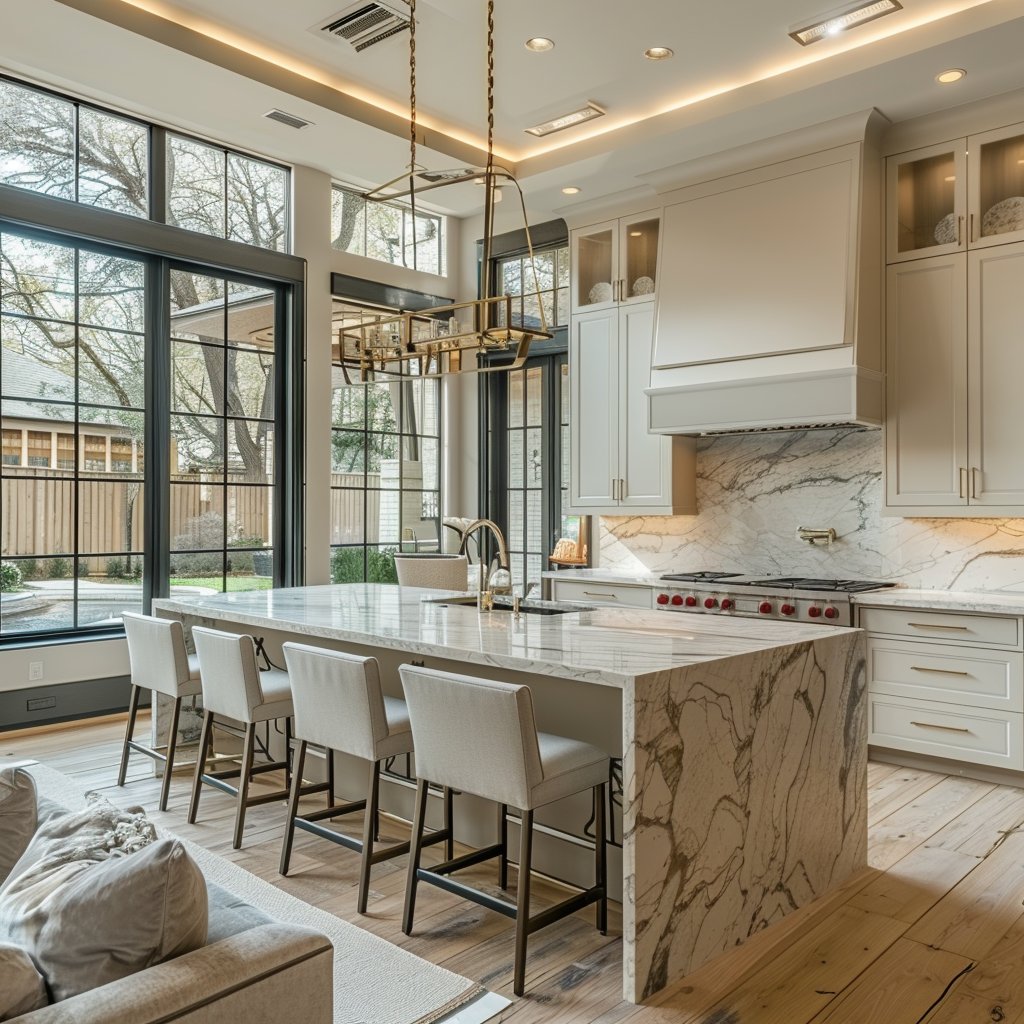
Owning a home you need to sell and buying the next one at the same time is the single most stressful transaction in residential real estate. You are a buyer and a seller simultaneously, with two clocks running and your equity locked inside the home you still live in. This guide walks you through the choices, the sequencing, and the levers that make it work.
First, Which Situation Are You In?
Move-up and down-size moves share the same core challenge — overlapping a sale and a purchase — but the priorities differ. Identify yours before you plan the sequence.
Moving Up
You are trading a smaller or starter home for more space, a better location, or a higher price point. Your existing home is likely your down payment for the next one, so unlocking that equity cleanly is the whole game.
Down-Sizing
You are leaving a larger family home — often after many years — for something smaller, simpler, or single-level. You usually have substantial equity and more flexibility, but the emotional weight and the logistics of decades of belongings are real.
The Core Problem: Two Transactions, One Set of Money
Almost every move-up and down-size headache traces back to a single tension: the money to buy your next home is tied up in the home you are selling. That creates three classic risk points.
1. The Double Mortgage
If you buy before you sell, you may carry two mortgages at once. Even for a few months, that can strain cash flow and complicate qualifying for the new loan.
2. The Financing Gap
If you sell before you buy and the timing slips, you can be left without a home to move into — and without the proceeds yet in hand if closings do not line up.
3. Temporary Housing
When the sale and purchase do not connect, you may face a stretch in a rental, a double move, and storage costs — expensive, exhausting, and entirely avoidable with the right structure.
The Goal
A well-orchestrated move-up or down-size has no gap, no temporary housing, and no double mortgage. Everything below is in service of that outcome.
Three Ways to Sequence It
There is no single right answer — the best path depends on your equity, your cash reserves, your risk tolerance, and current market conditions. Here are the three approaches and what each one trades off.
| Approach |
How It Works |
Best When |
The Trade-Off |
| Sell first, then buy |
Close your sale, secure your proceeds, then purchase — often with a negotiated rent-back so you do not move twice. |
You need the equity for the down payment and want maximum certainty and buying power. |
Requires a rent-back or short stay to avoid temporary housing; less control over move timing. |
| Buy first, then sell |
Purchase the new home, move, then list and sell the old one vacant and staged. |
You have strong cash reserves or bridge financing and want to shop without pressure. |
Risk of a double mortgage and carrying costs until the first home sells. |
| Concurrent / contingent |
Coordinate both closings to settle on or near the same day, sometimes with a sale-of-home contingency. |
You want one clean move with neither a gap nor a double mortgage. |
Tight coordination; a contingent offer can be weaker in a competitive market. |
The Levers That Make It Work
Sequencing is the framework. These are the specific tools used to remove the gap, the double mortgage, and the temporary-housing problem.
Rent-Backs (Post-Settlement Occupancy)
When you sell first, a rent-back lets you stay in the home after closing — sometimes free, sometimes for a modest daily fee — bridging the days or weeks until your purchase settles. Negotiated well, a rent-back is the single cleanest way to eliminate both temporary housing and a double mortgage.
Sale-of-Home Contingencies
A contingency ties your purchase to the successful sale of your current home, protecting you from being committed to two homes. The cost is competitiveness — in a strong seller's market, a contingent offer carries less weight, so it must be structured and presented carefully.
Bridge Financing
Bridge loans and equity-based products can supply the down payment for your next home before your current one closes. They expand your options but add cost and complexity, and qualifying matters — this is a conversation to have with a vetted lender early.
Closing-Date Coordination
Often the simplest lever of all: aligning settlement dates so the proceeds from your sale fund your purchase on the same day or within a controlled window. This is where an agent who manages both sides of the timeline earns their keep.
Plan the Sequence Before You List
The most expensive mistakes happen when sellers list, get an offer, and only then start thinking about where they are going. Decide your sequence and line up your financing before the first sign goes in the yard.
A Step-by-Step Survival Plan
- Get clear on the money first. Understand your current home's likely net proceeds and get pre-approved for the next purchase so you know your real budget and which sequence is even available to you.
- Choose your sequence. Sell-first, buy-first, or concurrent — chosen deliberately based on your equity, reserves, and the market, not by default.
- Prep the current home while you search. Pre-listing prep, staging, and photography can happen in parallel with house-hunting so you are ready to move the moment timing aligns.
- Structure offers and listings to protect the timeline. Rent-backs, contingencies, and closing dates are negotiated intentionally on both sides to close the gap.
- Coordinate the two closings. One point of contact managing both settlements keeps the proceeds, the financing, and the move in sync.
- Move once. The whole plan exists so you transition directly from one home to the next — no rental, no storage unit, no second move.
How This Plays Out in Practice
Move-Up Success Story
One Family, Two Closings, Zero Gap
A couple with a young son wanted to move up while their existing home was still their main source of down-payment funds. We prepped their home for sale while they searched, so nothing waited on anything else. They won a $2.1 million home the day it listed, beating out the competition. We then listed their existing home at $800,000, drew multiple offers, and sold it for $850,000.
To remove the double-mortgage and temporary-housing risk, we closed the sale first for liquidity and negotiated a free rent-back so the family stayed put until the new home was ready. The result: no gap, no temporary housing, no double mortgage, on a combined $2,950,000 in transactions.
"It felt impossible until it wasn't."
Down-Sizing Success Story
After 45 Years, the Right-Sized Home
A retired couple had spent roughly three decades in their Maryland home. At their daughter's suggestion, they reached out — and we started with a no-obligation conversation, no pressure to list. When they were ready, we found a 55+ new-construction community that fit them perfectly. Their existing home sold above asking, and the new one was the right size with a design upgrade they loved.
"I have been a homeowner for the last 45 plus years … none like James. He is truly the BEST."
Frequently Asked Questions
Should I sell my current home before buying the next one?
It depends on your equity and cash reserves. Selling first gives you certainty about your proceeds and the strongest buying power, and a negotiated rent-back can keep you from moving twice. Buying first avoids any housing gap but risks carrying two mortgages. The right answer comes from looking at your specific numbers before you list.
How do I avoid carrying two mortgages at once?
The most common approaches are selling first and using a rent-back to stay in the home until your purchase closes, coordinating both settlements for the same day, or using a sale-of-home contingency so you are never committed to two homes simultaneously. Which one fits depends on your situation and the market.
What is a rent-back and why does it matter?
A rent-back, or post-settlement occupancy, lets you remain in your home for a set period after it closes. It bridges the days or weeks until your next home is ready, which is often the cleanest way to eliminate both temporary housing and a double mortgage. Terms — length and any fee — are negotiated as part of the sale.
Can I make an offer on a new home that depends on selling mine?
Yes — that is a sale-of-home contingency. It protects you from being obligated to two homes, but it can make your offer less competitive in a strong seller's market. How it is structured and presented makes a real difference in whether a seller accepts it.
I've been in my home for decades. How do I even start down-sizing?
Start with a no-obligation conversation — no listing, no pressure. The goal first is simply to understand your home's value, what your next chapter could look like, and what is realistic on timing. The logistics of decades of belongings are real, and a good plan accounts for them rather than rushing.
How long does a coordinated move-up or down-size take?
It varies with the market and your sequence, but the work of prepping your current home, searching, and lining up financing can all happen in parallel. The aim is to compress the actual transition so you move once, directly from one home to the next, rather than stringing the steps out end to end.